Grain bin accidents rarely come down to a single mistake. They’re usually the result of conditions building over time whether it is inside the grain, within the structure, or both.
This matters because most incidents are predictable and preventable if you know what to watch for early.
The Root Causes Behind Most Grain Bin Accidents
Almost every incident traces back to one (or both) of these failure types:
1. Structural Failures
These are issues with the bin itself that make normal operation unsafe.
Common triggers:
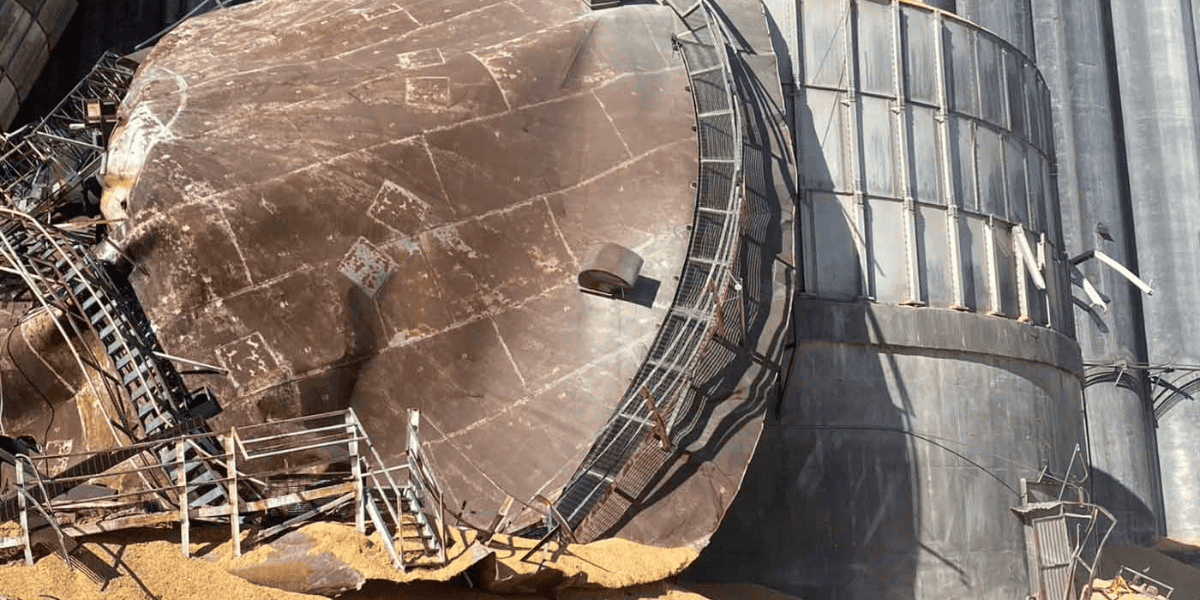
Wall or roof deformation or collapse
Damage from wind, hail, snow, or flooding
Foundation or floor instability
Failed vents, doors, or aeration systems
Structural damage doesn’t just weaken the bin. It often leads to moisture intrusion and poor airflow, which creates grain quality problems next.
2. Grain Condition Failures
These happen when stored grain deteriorates and stops flowing properly.
Triggered by weather damage or weakened components
Often occurs during loading or unloading stress
Falls and Equipment Failures
Caused by compromised roofs, ladders, or access points
Where Risk Increases: The Role of Environment
While grain bin accidents follow the same core pattern, environmental conditions increase how often those failures happen. Here’s how:
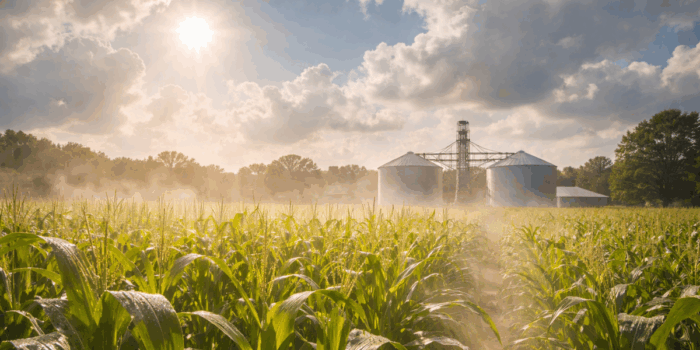
High-Volume Storage Areas (e.g., Corn Belt)
Risk Driver: Scale + seasonal temperature swings
Large volumes stored for long periods
Warm fall → cold winter → spring warm-up
Drives moisture migration and crusting
Result: Higher frequency of entrapments due to poor grain flow
Storm-Exposed Areas (Great Plains)
Risk driver: Wind and hail
Roof and vent damage
Structural weakening that isn’t always obvious
Result: Bins may appear stable but fail during unloading
Cold Northern Climates
Risk driver: Snow load and ice
Uneven roof loading from drifting snow
Freeze-thaw cycles weaken structural integrity
Result: Hidden damage that leads to later failures
Flood-Prone Areas
Risk driver: Water intrusion and foundation damage
Saturated grain expands and creates pressure
Electrical and aeration systems fail
Result: High-risk unloading conditions after flood events
Warm, Humid Regions
Risk driver: Rapid spoilage
Increased mold, insects, and mycotoxins
Faster grain degradation
Result: Frequent blockages and unsafe bin entry situations
Why This Matter for Operators: Understanding these patterns helps shift thinking from: “Why did this accident happen?” → to → “What conditions are building right now?”
A Simple Risk Framework You Can Use
Use this quick checklist to assess risk before problems escalate:
Grain Condition Check
Is grain flowing normally?
Any signs of crusting or bridging?
Moisture or temperature inconsistencies?
Structural Check
Any visible deformation or damage?
Are vents, fans, and doors functioning?
Has the bin been exposed to recent weather stress?
If all three categories show issues, risk is elevated significantly.
Bottom Line: Most Grain Bin Accidents are Preventable
Grain bin accidents are not random. They are the result of:
Predictable environmental conditions
Manageable grain quality issues
Recognizable structural warning signs
The earlier those signals are identified, the lower the risk.
When Things Go Wrong, Response Speed Matters
Even with the best prevention, failures still happen.
When they do, the difference between a manageable situation and a major loss often comes down to how quickly and safely the problem is handled.
West Side Salvage works directly in these scenarios:
Stabilizing damaged bins
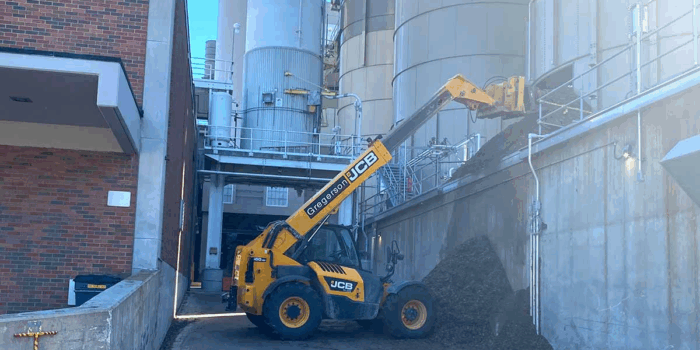
Safely removing out-of-condition grain
Preventing further structural or safety risks
Supporting insurance documentation and recovery
If you’re dealing with grain that won’t move, or a bin that doesn’t look right, getting experienced help early can prevent the situation from escalating.