Understanding the different types of silos used on modern farms is essential for safe grain storage and long-term planning. From grain bins and concrete silos to bunker and bag systems, each storage structure is designed for a specific purpose and comes with its own risks and maintenance considerations.
The blog will cover:
Why Silo Types Matter
Grain Bins
Concrete Silos
Bunker Silos
Bag Silos
Specialty and Less Common Silos
Grains Bins vs. Silos
Why Silo Types Matter
Choosing the right silo is not just about storage capacity. The type of silo you use affects:
Understanding these differences can help you make better decisions before issues arise.
1. Grain Bins (Metal Silos)
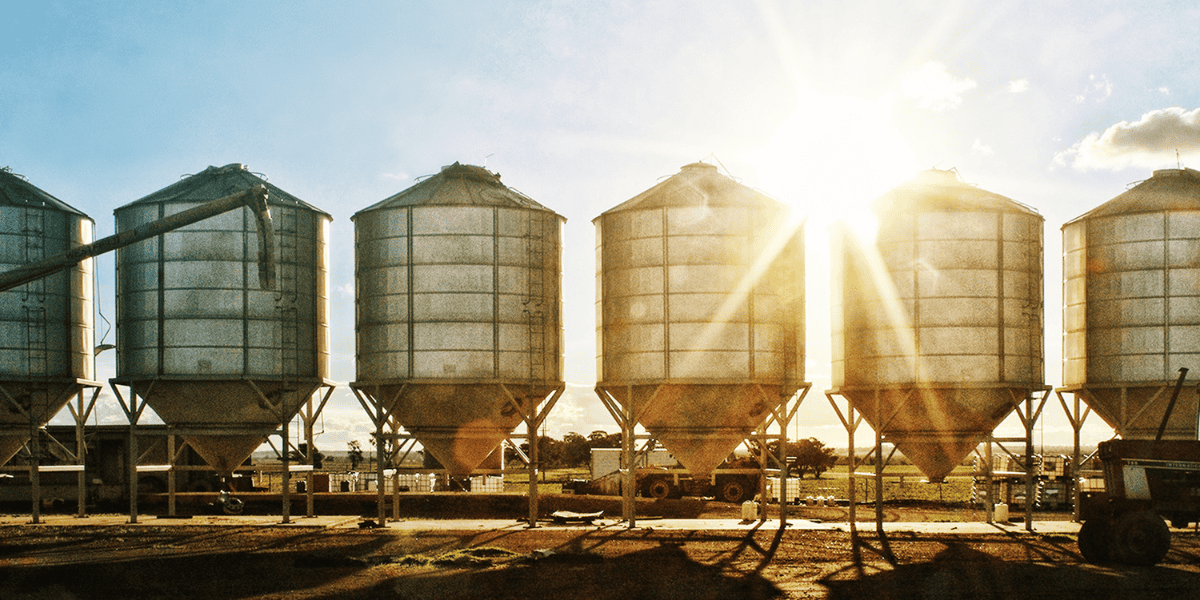
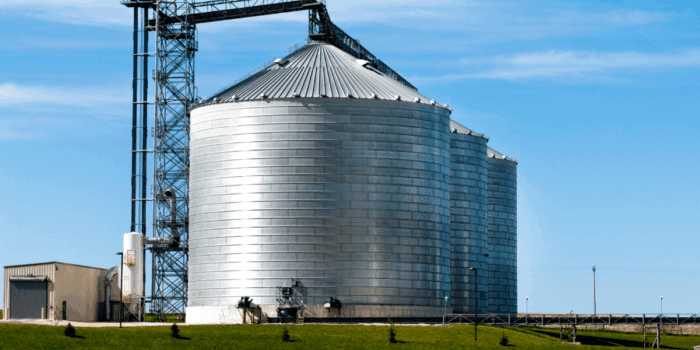
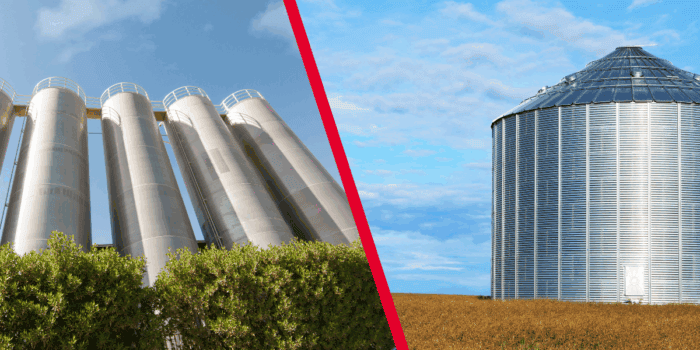
Grain bins are the most common silo type in the U.S. today. They are typically constructed from corrugated galvanized steel and designed for dry grain storage.
Key Characteristics:
Used for corn, soybeans, wheat, and other dry grains
Equipped with aeration floors, fans, and unload systems
Available in a wide range of diameters and heights
Pros:
Cost-effective per bushel
Easy to expand with additional bins
Compatible with modern drying and monitoring systems
Cons:
Susceptible to corrosion over time
Structural failures can occur if foundations or walls degrade
High risk during unloading if grain bridges or crusts form
2. Concrete Silos (Tower Silos)
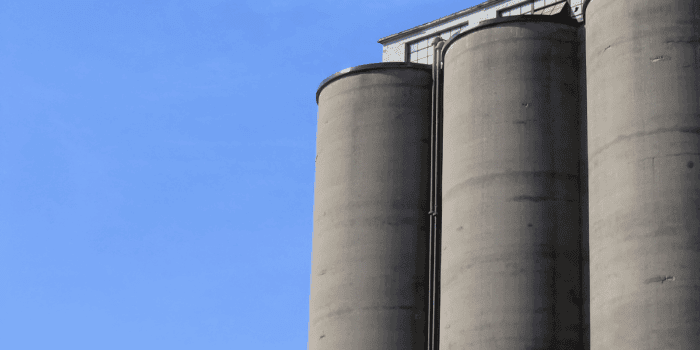
Concrete silos are vertical structures commonly found on older dairy and livestock farms.
Key Characteristics:
Typically store silage rather than dry grain
Built using poured concrete or concrete staves
Designed for long-term fermentation
Pros:
Extremely durable when properly maintained
Less temperature fluctuation inside
Long service life
Cons:
Expensive to repair
Limited flexibility for modern grain handling
Decommissioning or removal is complex
3. Bunker Silos
Bunker silos are horizontal storage systems built with reinforced concrete walls and an open top.
Key Characteristics:
Common for silage and feed storage
Filled and packed using loaders or tractors
Covered with plastic sheeting
Pros:
Low initial construction cost
Easy access for feeding operations
Scalable for large volumes
Cons:
Higher spoilage risk at exposed surfaces
Requires strict covering and management
Not suitable for dry grain
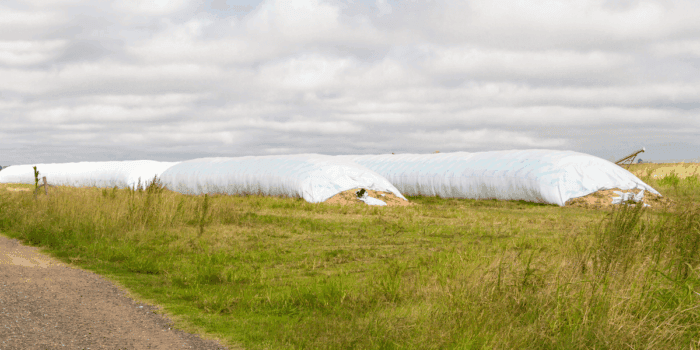
4. Bag Silos (Grain Bags)
Bag silos are long, sealed plastic tubes laid on prepared ground and filled using specialized equipment.
Key Characteristics:
Temporary or supplemental storage
Used during high-yield seasons or emergencies
Common for corn, wheat, and soybeans
Pros:
Fast deployment
Low upfront investment
Flexible location
Cons:
Short lifespan
Vulnerable to wildlife damage
Requires careful monitoring to prevent spoilage
Silos vs. Grain Bins
While many people refer to all on-farm storage structures as “silos,” grain bins and silos are designed for very different purposes. Understanding the difference matters when it comes to storage safety, maintenance, and failure risk.
Grain Bins
Grain bins are purpose-built for dry grain storage and are the dominant storage structure on modern row-crop farms.
What grain bins are designed for:
Corn, soybeans, wheat, and other dry grains
Long-term storage with controlled airflow
Mechanical loading and unloading
Key design features:
Corrugated steel walls
Flat or hopper bottoms
Aeration floors and fans
Augers or sweep systems for unloading
Because grain bins rely heavily on mechanical unloading, they carry specific risks related to grain bridging, crusting, and unloading entrapment.
Silos
Traditional silos are most often associated with livestock and dairy operations, where they store fermented feed rather than dry grain.
What silos are designed for:
Silage and high-moisture feed
Vertical storage with gravity unloading
Long-term fermentation
Key design features:
Concrete or concrete stave construction
Tall, narrow vertical structure
Chutes or bottom unload systems
These structures are incredibly durable but can become difficult and expensive to repair or remove as they age.
Conclusion
Grain bins, concrete silos, bunker systems, bag storage, and specialty silos all serve different roles on a farm, and each comes with its own risks, maintenance needs, and lifespan. Understanding how these storage systems differ helps farm owners make smarter decisions around inspections, upgrades, and long-term planning. Many storage failures show warning signs long before an emergency occurs, and knowing what to look for can prevent costly grain loss or downtime.
When issues do arise, the type of structure matters. Response strategies for a steel grain bin are very different from those for a concrete or bunker silo. West Side Salvage specializes in grain storage failures, emergency response, and controlled salvage across all silo types. Whether you’re dealing with an aging structure or an unexpected failure, having experienced professionals involved early can improve safety, recovery outcomes, and overall impact to your operation.