Grain storage is one of the most important long-term investments on a farm or in a commercial grain operation. But the value of that investment depends entirely on how well it’s maintained. Well-kept bins protect grain quality, prevent costly downtime, reduce safety risks, and give farmers the flexibility to sell when markets are right. Poorly maintained bins do the opposite, they leak value every single day.
Want to work with the best?
Regular maintenance helps prevent spoilage, reduce downtime, and extend the life of your bins and equipment. West Side Salvage works with operations of all sizes to inspect, maintain, and address issues before they turn into costly problems.
Most grain problems start small. A loose seal, a worn fan belt, fines left from last season, or a hidden leak can slowly create moisture pockets or hot spots. Over time, these small issues can become:
Higher spoilage risk
Insect activity
Crusting or bridging
Reduced airflow
Structural damage
Safety hazards
Maintenance stops these issues early, keeping storage systems reliable and grain quality stable.
❗️According to the USDA, temperature and moisture conditions directly affect mold growth, insect activity, and overall grain loss. Routine maintenance that keeps aeration and sealing systems working properly helps prevent these issues before they impact grain quality or value.
What Research Shows About Grain Storage Maintenance
📉 Proper Maintenance Prevents Spoilage and Value Loss
University of Minnesota Extension emphasizes that routine care is essential for minimizing grain losses. In their guidance on stored-grain management, they state that farmers should “Properly maintain and use grain handling equipment, drying systems and storage structures.”
This includes cleaning debris, checking seals, maintaining equipment, and ensuring airflow systems are working, a strong argument that maintenance directly protects grain value.
🛡️ Aeration Maintenance Protects Grain Quality
USDA-ARS research shows that temperature and moisture control affect every biological and insect threat inside a bin. “All organisms responsible for losses in stored grain and seed are affected by the condition (temperature and moisture) of the material.”
If aeration fans aren’t maintained, monitored, and cleaned, temperature stratification and moisture migration can quickly develop into spoilage.
🐜 Poor Maintenance Increases Pest Risk
Ohio State University Extension makes it clear: pests thrive where maintenance is lacking. “Prevention is the key… Excess moisture and high temperature are the primary causes of spoilage.”
Good sealing, debris removal, and routine inspections are essential to keeping pests out, and grain quality intact.
The ROI of Grain Storage Maintenance
While maintenance itself isn’t usually broken out in published ROI analyses, several studies show how well-managed storage leads to stronger returns.
💲Capturing Better Prices
Farm Business Network (FBN) modeled a 600-acre corn operation storing grain instead of selling at harvest. The operation gained $81,000 in value because the grain stayed in condition long enough to hit better market timing.
This only works if the grain stays dry and cool, making maintenance a key part of the value chain.
67–200% ROI over 10 years when grain quality is preserved
–18% ROI when grain quality suffers or storage systems are poorly managed
Good maintenance is the difference between those outcomes.
🌾 Harvest Efficiency Matters
GRDC’s storage economics report found that efficient, well-maintained storage reduces bottlenecks and improves harvest timing. In one example, improved efficiency produced a 9% ROI with an 11-year payback. Every delay prevented adds up.
Where Maintenance Creates Real Financial Value
A well-maintained storage system delivers returns in several ways:
Avoiding Spoilage and Quality Loss
Spoiled grain can lose 10–30% or more of its value. Maintenance helps prevent:
Mold growth
Hot spots
Moisture migration
Crusting
Reducing Quality Discounts
Most grain buyers penalize for:
Low test weight
High moisture
Insects
FM/dockage
Mold
Minimizing Emergency Repairs
When maintenance is deferred, problems turn into:
Failed fans
Damaged floors
Plugged or unsafe bins
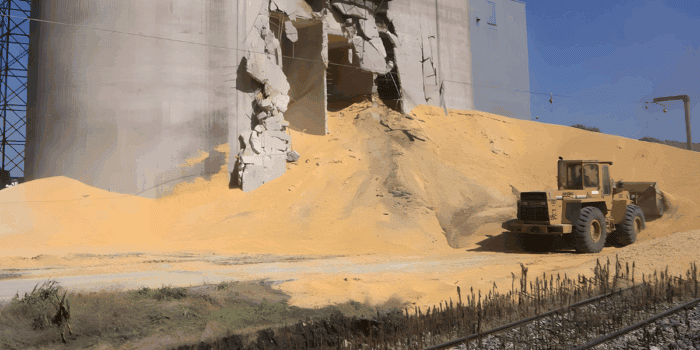
Structural failures
Extending the Life of Storage Equipment
Maintaining a bin’s roof, panels, foundation, and mechanical systems prevents corrosion, stress cracks, and premature failure.
What Regular Grain Storage Maintenance Involves
Before Filling
Clean out leftover grain
Check seals, doors, and vents
Inspect bin walls, roof, and foundation
Test aeration fans and heaters
Verify sump and floor transitions
Review temperature cables and sensors
During Storage
Monitor grain temperature weekly
Run fans based on weather conditions
Watch for crusting or bridging
Check for leaks and condensation
Inspect for pest activity
After Emptying
Complete a full clean-out
Inspect the full structure
Repair cracks or corrosion
Service fans and motors
Document issues for planning
A Simple ROI Formula for Maintenance
You can calculate your storage maintenance ROI with:
Regular grain storage maintenance pays off by protecting grain quality, reducing spoilage risk, and keeping your operation running smoothly. The research makes it clear that well-maintained bins support better market timing, fewer quality discounts, and a stronger long-term return compared to systems that are ignored or repaired only when something goes wrong.
Staying proactive with inspections and clean-outs is the simplest way to safeguard your grain and your investment, and when you do need extra support or repairs, West Side Salvage is there to help keep your storage systems safe, reliable, and ready for the next season.