Grain bin accidents don’t happen at random. They tend to cluster in specific regions where weather conditions, storage volume, and grain handling challenges combine to increase risk. In most cases, grain bin accidents are not caused by a single mistake, but by underlying grain storage failures that develop over time.
While no single national database tracks every grain bin collapse or accident, clear regional patterns emerge when you look at incident reports, weather data, and grain storage science together.
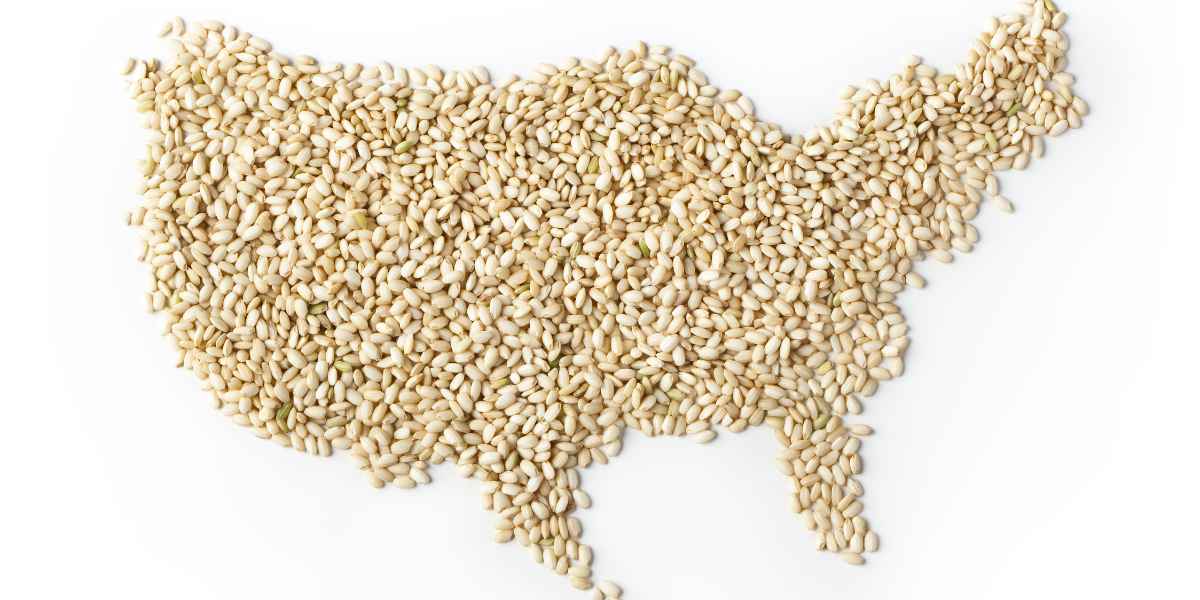
This article breaks down the U.S. regions most at risk for grain bin accidents, explains why those risks exist, and highlights what operators should be watching for in each area.
What Causes Grain Bin Accidents
Most grain bin accidents stem from conditions inside or around the bin that make normal operations unsafe. In practice, these causes fall into two broad categories.
Structural Failures That Lead to Grain Bin Accidents
Structural problems often increase the risk of collapse, falls, or equipment failure during loading and unloading.
Common structural failure triggers include:
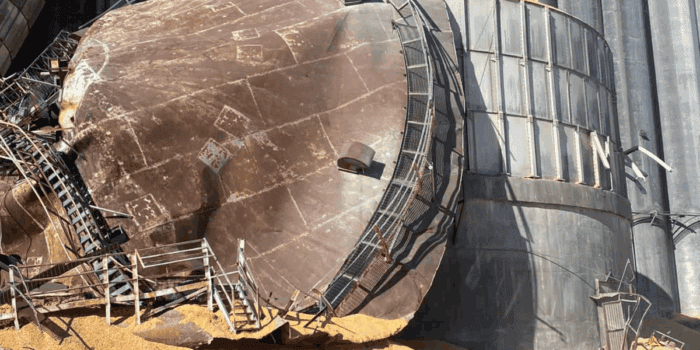
Bin wall or roof collapse
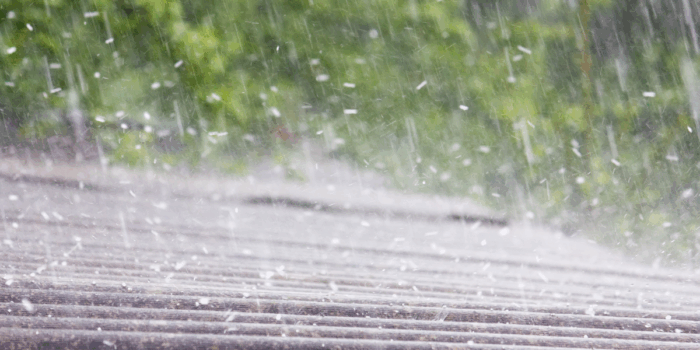
Damage from wind, hail, snow, or flooding
Foundation or floor failure
Damaged vents, doors, or aeration systems
Structural damage can also worsen grain conditions by allowing moisture intrusion or limiting proper aeration.
Grain-Condition Failures That Increase Accident Risk
Many grain bin accidents occur when grain is out of condition and operators attempt to correct the problem.
Out-of-condition grain leading to unsafe bin entry
In many serious incidents, structural damage and grain-condition failures occur together, compounding risk and making accidents more likely.
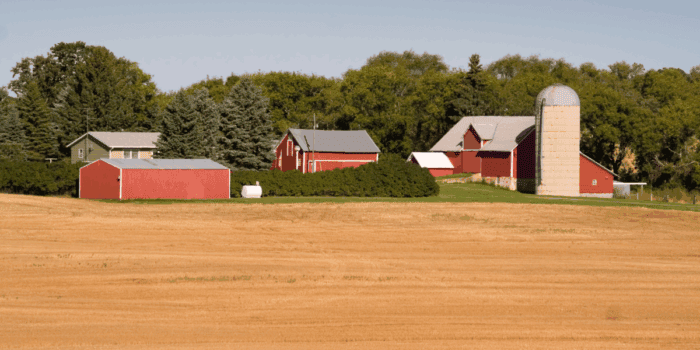
Midwest and Corn Belt: Highest Accident Risk
Primary risk drivers: High storage volume, seasonal temperature swings, documented incident frequency
States frequently cited in incident summaries: Iowa, Illinois, Indiana, Minnesota, Missouri, Ohio, Wisconsin, Nebraska
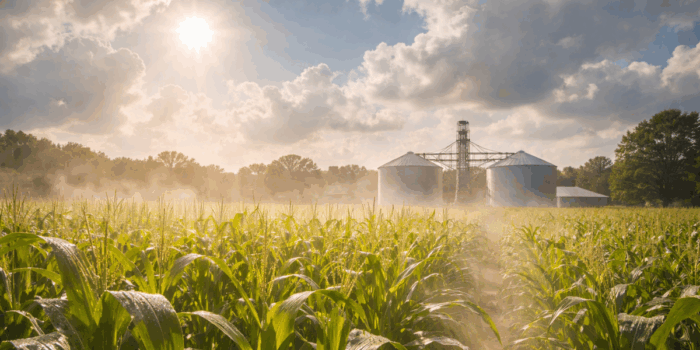
The Midwest and Corn Belt consistently experience the highest number of documented grain bin accidents in the United States, particularly grain entrapments. Annual confined-space injury and fatality summaries compiled by Purdue University show that more than half of reported U.S. grain entrapment incidents occur in this region.
This concentration reflects both the volume of stored grain and the storage conditions common to the region.
Why Grain Bin Accidents Are More Common Here
Large volumes of grain stored for extended periods
Warm fall fills followed by cold winters and spring warm-ups
Moisture migration that leads to crusted or bridged grain
Increased likelihood of unloading issues and unsafe bin entry
These conditions significantly increase the risk of entrapment accidents, especially during attempts to break up crusted grain.
Great Plains: Wind and Hail Damage
Primary risk drivers: High winds, severe thunderstorms, hail events
From the Dakotas through Nebraska, Kansas, Oklahoma, and the Texas Panhandle, grain bins are frequently exposed to severe wind and hail events. University extension guidance explains that grain bins are particularly vulnerable to wind loading due to their shape, height, and grouping, which can amplify pressure during storms.
Large-scale events such as derechos have shown how quickly bin damage can occur across multiple states.
How Storms Contribute to Grain Bin Accidents
Roof deformation or loss
Damaged vents and aeration systems
Door and hatch misalignment
Structural weaknesses that worsen during unloading
Wind- and hail-damaged bins may remain standing but unsafe, increasing the likelihood of collapse or accident during normal operations.
Northern States: Snow and Ice Load Risk
Primary risk drivers: Heavy snowfall, ice accumulation, roof loading
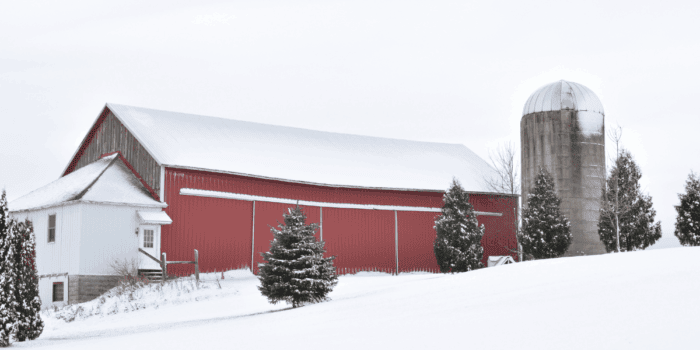
Northern states face increased grain bin accident risk from snow and ice loads, especially during winters with repeated freeze-thaw cycles. Snow drifting can place uneven loads on bin roofs, increasing the risk of structural failure.
Even when collapse does not occur, snow damage often compromises:
Roof panels
Vents and fans
Weather seals that protect stored grain
These issues can lead to moisture problems and secondary grain-condition failures, which raise the risk of accidents once unloading begins.
Grain storage facilities near major river systems, including the Mississippi and Missouri River basins, face elevated accident risk during flooding events.
Floodwater can:
Enter bins through aeration systems
Damage electrical components
Weaken foundations and floors
Cause grain to swell and exert pressure on bin walls
Flood-related grain bin accidents often occur after the water recedes, when operators attempt to unload damaged or contaminated grain.
In warmer and more humid regions, grain is more likely to go out of condition quickly if drying and aeration are not properly managed. Higher temperatures and humidity reduce the margin for error in storage, increasing the risk of spoilage, crusting, and bridging.
These conditions commonly result in:
Plugged unloading systems
Crusted grain caps
Increased likelihood of dangerous bin entry
Spoilage-related blockages are a frequent precursor to grain bin entrapment accidents, particularly when flow problems are addressed manually.
How Regional Conditions Increase Grain Bin Accident Risk
Across all regions, the same pattern repeats:
Weather damage compromises structures
Grain goes out of condition
Normal unloading becomes unsafe
Operators face pressure to restore flow
Regional risk awareness helps operators recognize when conditions are moving toward an accident scenario, not just when a bin fails.
When Grain Bin Accidents Happen, We Respond
When grain bin accidents or near-miss incidents occur, rapid, experienced response is critical. West Side Salvage provides: