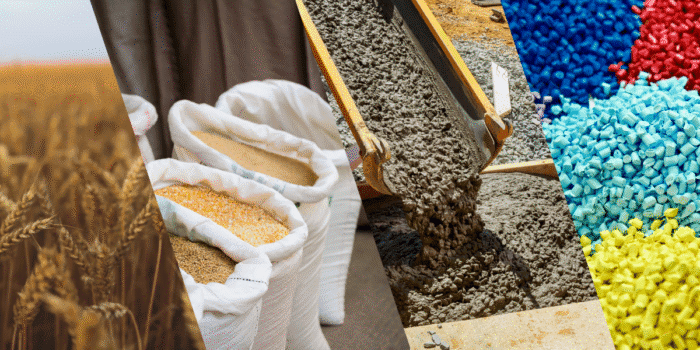
When grain, flour, cement, or other bulk materials sit too long in a silo, they cake on the walls, bridge above the discharge, or rathole down the middle. Production slows. Capacity shrinks.
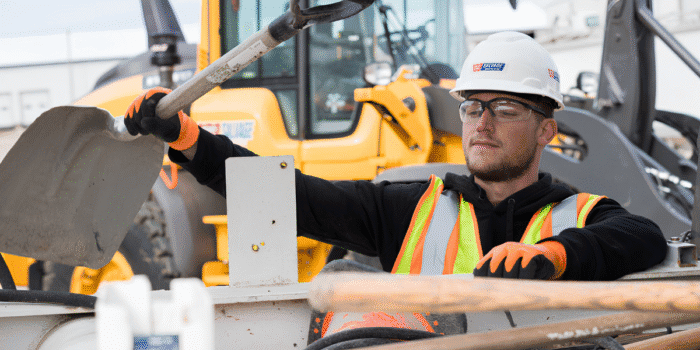
The old fix (sending a worker inside with a shovel and a harness) is one of the most dangerous jobs in agriculture. That is where bin whips come in.
Bin whips are remote-operated cleaning tools that break up hardened material from outside the bin, restoring flow and capacity without putting anyone in harm’s way. Below, we break down how they work, when to use them, and why they have become the standard for safe silo cleaning.
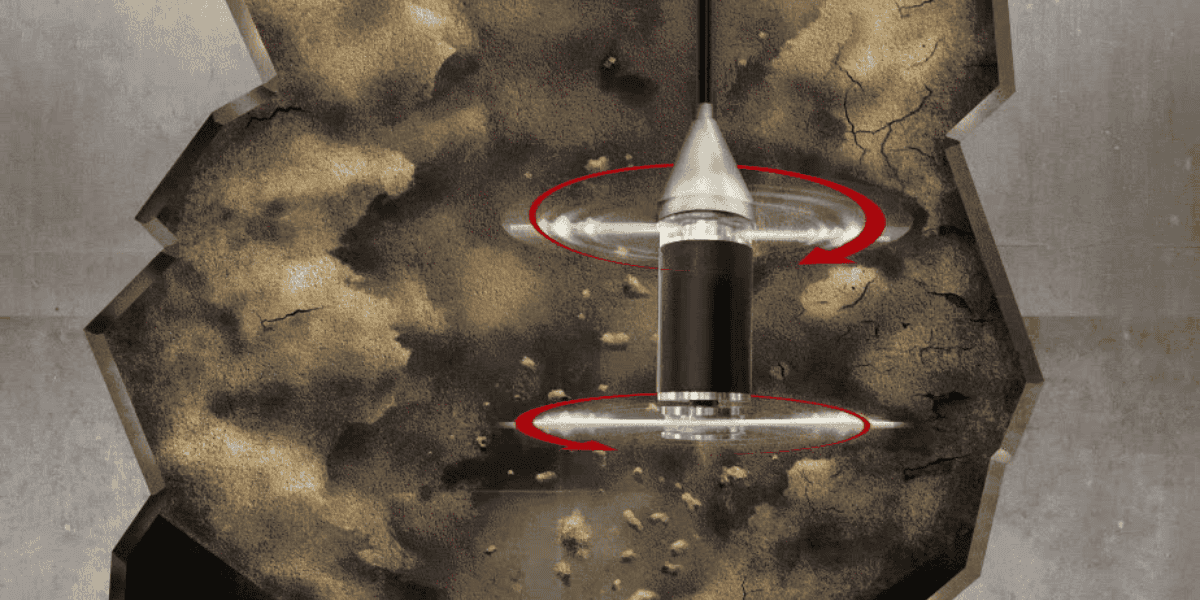
A bin whip is a remote-controlled cleaning tool that dislodges built-up, caked, or compacted material inside grain bins, silos, hoppers, and other storage vessels.
Instead of sending a worker inside, operators lower the whip head through a top hatch and run it from the roof. Spinning chains or flails strike the bin walls, breaking material loose so it can flow out through the bin’s normal discharge.
According to Pneumat Systems, one of the original manufacturers, bin whips were designed to keep operators out of confined spaces while restoring bins to 100% of original capacity. Modern systems run on compressed air or hydraulic power, with attachments built to clean without damaging interior walls.
How Bin Whips Work
The bin whip process is straightforward in concept but precise in execution. Here is what happens on a typical job:
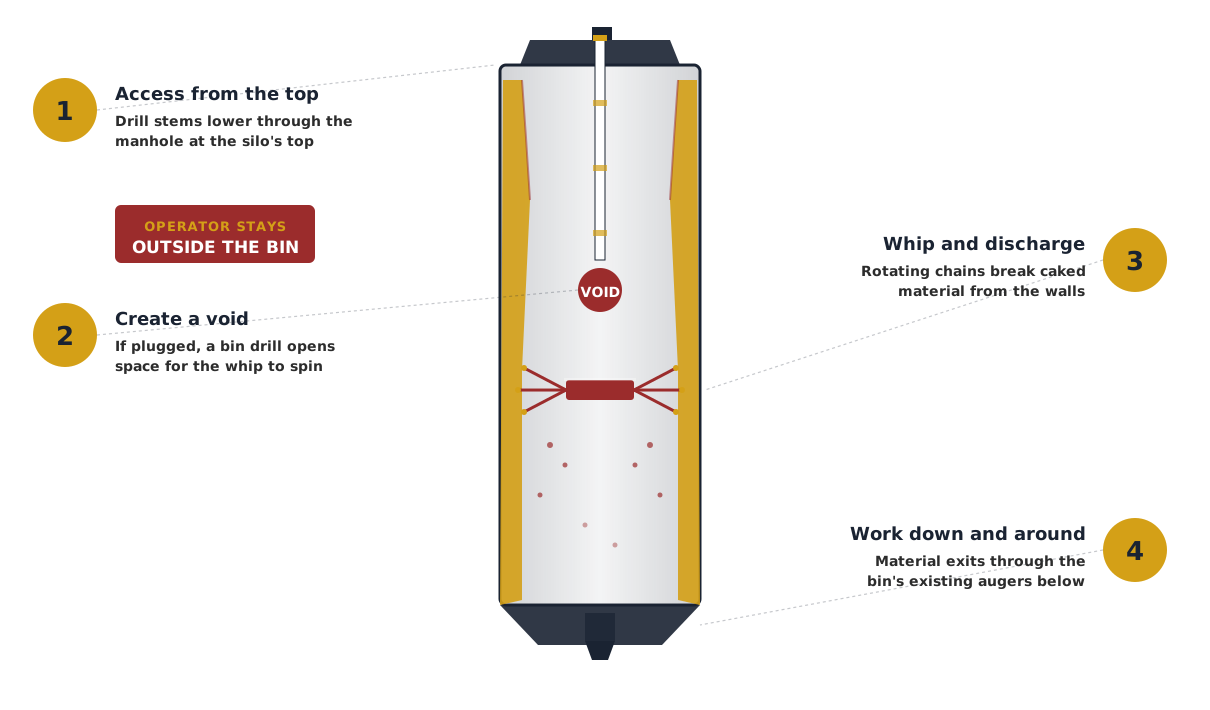
Step 1: Access from the Top
The whip head and drill stems are lowered through a manhole at the top of the silo. Per Polar Clean / Premium Plant Services, stems are added in sections so the whip reaches the bottom without contacting sloped walls.
A proper pre-cleaning inspection, often done with drone cameras, identifies buildup type and depth before equipment is staged.
Step 2: Create a Void
The whip needs space to spin. If the bin is fully plugged, technicians use a bin drill or bottom access point to create that opening first.
Step 3: Whip & Discharge
The whip head spins, chains strike the compacted material, and freed product flows out through existing augers or vac trucks. Operators control depth, rotation, and speed from outside the vessel the entire time.
Step 4: Work Down & Around
The whip is gradually lowered as material clears. Environmental Works notes that modern systems let operators see results in real time and adjust technique to target problem areas.
At a Glance: The Bin Whip Process
Stage
What Happens
Worker Location
Setup
Whip lowered through top hatch
Outside bin (roof)
Initial Drill
Void created if bin is plugged
Outside bin
Whipping
Rotating head breaks up material
Outside bin
Discharge
Material exits through existing augers
Outside bin
Inspection
Visual confirmation of capacity restored
Outside bin
Why Bin Whips Matter: The Safety Case
The strongest argument for bin whips is not speed or cost. It is human life. Confined-space entry into a grain bin is one of the most dangerous tasks in American agriculture, and the data backs that up.
Grain entrapments rose 25% from 2023 to 2024, the leading cause of ag confined-space incidents. See our grain entrapment statistics breakdown for more.
The U.S. Bureau of Labor Statistics reports 66 worker deaths from grain or crop engulfment over an eight-year span, plus 17 more from falls inside grain bin interiors.
OSHA Regions 5 and 7 (the Midwest grain belt) account for about 68% of all documented incidents.
Because the operation runs from outside the bin, bin whips remove the primary cause of these incidents: a person inside unstable material. Environmental Works notes that remote operation “dramatically reduces accident risk while increasing cleaning effectiveness.”
This aligns with OSHA Standard 1910.146 on permit-required confined spaces, which prioritizes elimination of entry whenever possible.
The Financial Side of Safety
The financial fallout from a confined-space incident is staggering. Purdue’s report notes that recent grain bin fatality settlements have ranged from $10 to $17 million, far exceeding OSHA fines of $50,000 to $100,000.
Safer cleaning is also a smarter business decision.
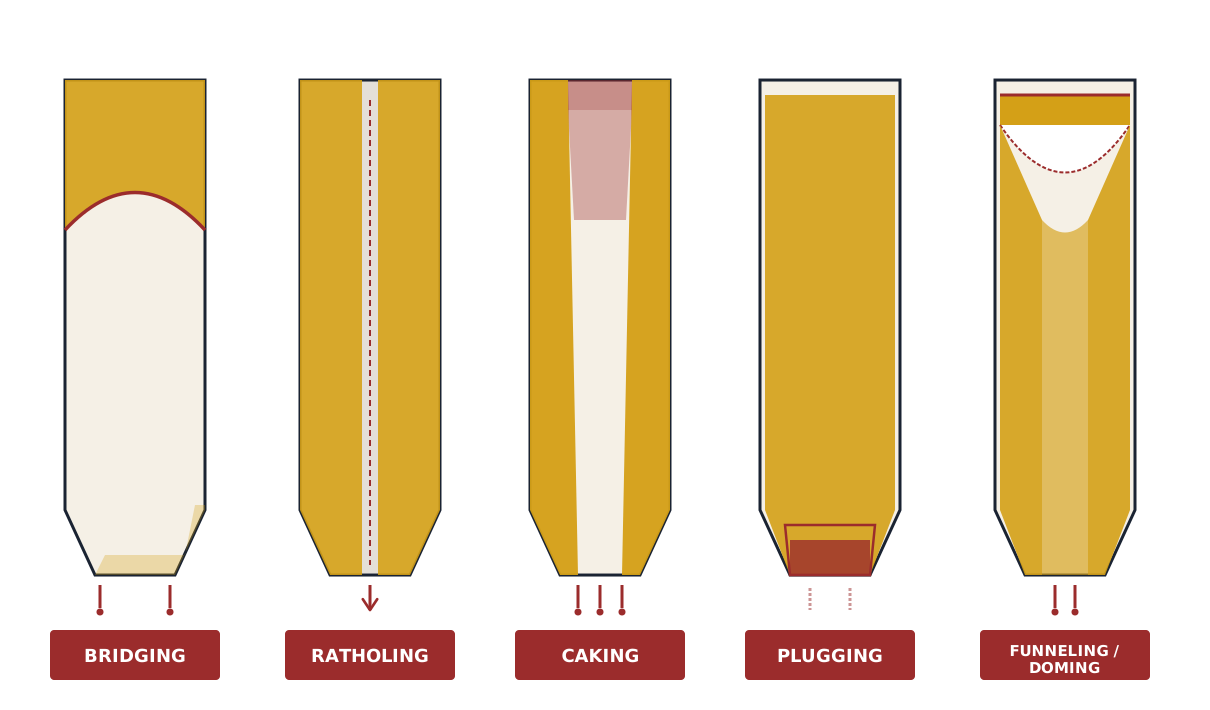
Material forms an arch above the discharge, blocking everything below. The level sensor says full, but nothing flows out. Control Concepts notes that bridging often happens with cohesive or moist materials and can create dangerous wall pressure if ignored.
Ratholing
A narrow flow channel forms down the center while material clings to the walls. Capacity drops, product degrades, and uneven loads stress the structure. S3 Process links ratholing to lost production hours, higher maintenance costs, and missed targets.
Caking & Wall Buildup
Material compacts on the sides, narrowing usable space. Left alone, it can lead to doming or plugging. In grain storage, hot spots inside compacted material can also contribute to silo fires and explosions.
Plugging
Complete blockage at the exit. Production stops until the plug is cleared.
Funneling and Doming
Uneven flow where some material moves and the rest sits stagnant, often degrading over time.
Quick Reference: Flow Problems & Bin Whip Effectiveness
Flow Problem
What it Looks Like
Bin Whip Solves It?
Bridging
Arch above discharge, no flow
Yes
Ratholing
Narrow center channel, walls coated
Yes
Caking
Hardened layer on sidewalls
Yes
Plugging
Total blockage at exit
Yes (with bin drill assist)
Funneling
Uneven flow, stagnant zones
Yes
Doming
Hollow space under crusted top
Yes
Pneumatic vs. Hydraulic Bin Whips
The two main types are pneumatic (air-powered) and hydraulic (fluid-powered), each with trade-offs worth understanding.
Pneumatic Bin Whips
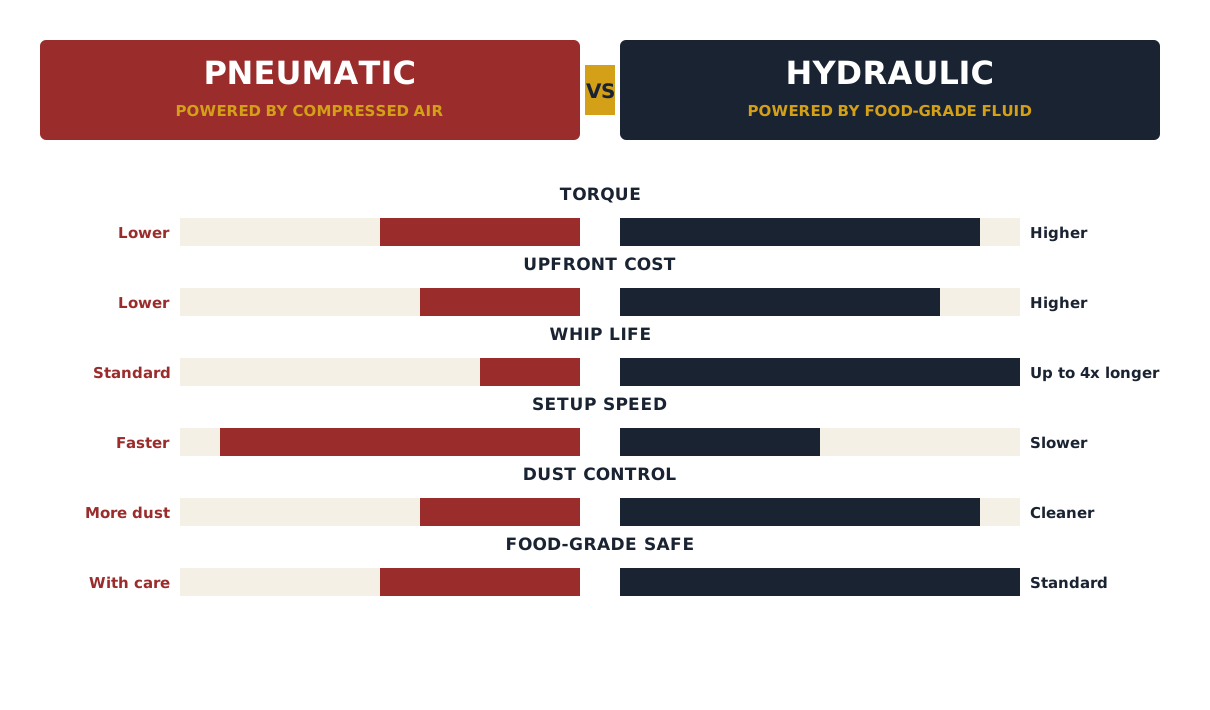
Pneumatic systems run on compressed air. They are lighter, simpler to deploy, and good for routine cleaning of active bins. Force Vector / Deca Vibrator notes they can be installed through a small port on the silo top for on-demand use.
Pros:
Lower equipment cost
Easier to mobilize and set up
Good for lighter buildup
Cons:
Requires a large compressed-air supply
Higher noise and dust levels
Whip components wear faster from high-speed rotation
Hydraulic Bin Whips
Hydraulic systems use food-grade fluid to drive higher-torque, lower-speed rotation. The Pneumat Systems’ Dual Impact BinWhip runs two whipsets in opposite directions, creating shearing forces that cut straight paths through density changes and hard ledges.
Pros:
Higher torque for hardened material
Reversible rotation for tight spots
Counter-rotational design reduces hose twisting
Whip life up to four times longer than air systems
Runs on electricity, no air compressor needed
Cons:
Higher upfront equipment cost
Heavier system to position
Which One Is Right for Your Bin?
For routine maintenance on free-flowing materials, pneumatic may be enough. For rock-hard, out-of-condition grain, large silos, or food-grade applications, hydraulic usually wins. The right call depends on material, severity, and cleaning frequency.
Industries & Materials That Use Bin Whips
Bin whips are not just for grain bins. The technology adapts to a wide range of silo and storage structures across many industries:
Pet Food: kibble ingredients, meat and bone meal, blood meal
Ethanol and Corn Processing: wet and dry distillers grains, corn meal
Plastics and Polymers: resin pellets, regrind, masterbatch
Aggregate and Industrial: cement, lime, fly ash, sand, coal, minerals
IA Bulk Materials reports the method works across grain, cement, lime, coal, salt, clay, fly ash, glass, pulp and paper, and refinery applications. The whip materials themselves are engineered to break product loose without damaging the bin, which matters for food-grade and contamination-sensitive operations.
What to Expect During a Bin Whip Service
A typical engagement looks like this:
1. Inspection & Assessment
A trained team inspects the bin, often using drone cameras for tall structures. This determines whether a standard bin whip, a bin drill, or a combination is needed.
2. Site Setup & Safety Records
The crew rigs the bin’s top access point. Every West Side Salvage operator is Confined Space Certified and trained on intrinsically safe radios, monitors, and PPE. Facilities should have an Emergency Action Plan in place before work starts.
3. Whip Operations
The whip is lowered, started, and moved methodically through the bin. Material discharges through the existing system. Polar Clean notes jobs can run from one day to several weeks depending on density, height, and severity.
4. Verification & Cleanup
The crew verifies the bin is back to full capacity and removes remaining debris with grain vacuums or other tools.
5. Documentation & Recommendations
A good service partner documents the work and recommends a maintenance schedule to prevent recurrence. Proactive cleaning is almost always cheaper than emergency response.
📋 Free download: Bin Whip Service Decision Checklist – Before you call a service provider, walk your facility with this 2-page checklist. Identify the flow problems you’re seeing, document your bin, and use our vendor question list to compare quotes.
Conclusion
Bin whips have changed what safe, efficient silo cleaning looks like. By keeping operators outside the bin while still tackling the toughest buildup, they solve two problems at once: protecting workers from the leading cause of ag confined-space fatalities, and restoring lost capacity that costs facilities money every day a bin sits below volume.
At West Side Salvage, we have been using bin whips, grain vacuums, and other specialized equipment to clean silos, bins, and tanks across the U.S. for decades. Every team member is Confined Space Certified, and we partner with drone inspection experts to assess each structure before work begins.
Dealing with a fully plugged silo, persistent ratholing, or just need a scheduled maintenance plan to keep storage at full capacity year-round? Our team can help. Facing a grain bin emergency? We are available 24/7.
Ready to get your bins running at 100%? Contact us today to schedule an inspection or request a service quote.